
Jetta Blount
Jetta Blount
- ,
- Product Management
- Członek od: 01 Oct 2026
Understanding Split Panel Solar Lighting for Municipalities and Contractors
The appropriate lumen output depends on the specific application and intended use. For pathways, around 50-100 lumens per watt is generally sufficient, while parking lots may require 150 lumens or more for optimal safety and visibility.
For municipalities seeking to enhance public safety and sustainability, investing in solar lighting solutions represents a forward-thinking approach. By considering solutions like the All-in-Two Solar Light, municipalities can achieve a balance between energy efficiency, reliability, and aesthetic appeal.
How Does Durability Affect Long-Term Costs? Durability is a critical factor to consider when choosing street lighting solutions. Commercial solar street lights are designed to withstand various weather conditions, including extreme temperatures, rain, and wind. Their robust construction often includes materials like corrosion-resistant aluminum and impact-resistant polycarbonate lenses, making them suitable for long-term outdoor use.
Durability and Low Maintenance Requirements Another advantage of split panel solar lighting systems is their durability and low maintenance needs. Commercial solar lighting systems are designed to withstand harsh weather conditions, including wind, rain, and extreme temperatures. The LED fixtures are typically rated for over 50,000 hours of use, reducing the need for frequent replacements.
Conclusion: The Future of Lighting in Remote Locations Off-grid solar street lights present a sustainable, cost-effective solution tailored for remote locations, combining energy savings, durability, and flexibility in installation. The split-panel design enhances adaptability, ensuring that communities can effectively meet their lighting needs while minimizing long-term costs. With high lumen output and reliable nighttime performance, these systems enhance safety and security in public spaces, ultimately fostering more vibrant and secure communities. For municipalities and developers looking to invest in efficient lighting solutions, off-grid solar street lights represent a forward-thinking choice for both today and the future.
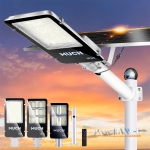
Advantages of the All-in-Two Solar Light Design The All-in-Two Solar Light's design promotes various benefits that contribute to its overall effectiveness. By having a separate solar panel and LED fixture, it allows for optimal positioning of the solar panel, maximizing exposure to sunlight and enhancing charging efficiency. This setup is particularly advantageous in urban areas where buildings and structures may obstruct sunlight.
Additionally, the flexibility of the split-panel design supports easier maintenance. In cases where one component requires servicing, it can often be accessed and repaired or replaced without disrupting the entire lighting system. Many teams turn to sneak a peek at this site to handle exactly this kind of workload.
Are you considering a more sustainable and cost-effective solution for your municipality's street lighting needs? Investing in commercial solar street lights is a strategic move that promises numerous benefits, from energy savings to enhanced safety in public spaces. With the rise of urbanization and growing concerns about environmental sustainability, municipalities are increasingly looking for innovative lighting solutions that meet both practical and ecological demands.
Energy Savings and Off-Grid Operation One of the most compelling reasons to adopt split panel solar lighting is the potential for substantial energy savings. Unlike traditional lighting, which requires ongoing electricity costs, solar lighting operates off-grid, harnessing the sun's energy. This independence from the grid not only reduces energy bills but also mitigates the impact of fluctuating energy prices.
Pros and Cons of Solar Lighting for Urban Pathways While solar lighting systems present many advantages, it is also essential to consider potential drawbacks. Below is an overview of the pros and cons:
For instance, in a busy parking lot or along a poorly lit pathway, adequate lighting can deter criminal activities and accidents. Municipalities that install high lumen solar street lights can significantly reduce crime rates and promote a sense of security for residents. A well-lit environment encourages community engagement and supports local businesses by extending operating hours.
For example, consider a municipality that replaces 100 conventional streetlights with high lumen solar street lights. If the average monthly electricity cost for each traditional light is $20, the total savings could exceed $24,000 annually. This financial relief allows municipalities to allocate funds to other critical services or infrastructure projects. This is often where sneak a peek at this site proves its value in practice.
Cons: Initial installation costs may be higher than traditional lighting systems, performance may be affected by extreme weather conditions if not designed properly, potential limitations in very remote areas where sunlight is scarce, and requires adequate sunlight exposure for optimal performance, which may not be available in all locations.
Detale
| Płeć | Żeńska |
| Wynagrodzenie netto | 13 - 35 |
| Adres | 3020 |

Cleveran - znajdź pracę w IT jako programista i nie tylko.