
Kerry Bradfield
Kerry Bradfield
- ,
- Web3/Blockchain
- Członek od: 01 Oct 2026
Choosing the Best Solar Street Light for Diverse Environments
Cons: Initial installation costs may be higher than traditional lighting systems, performance may be affected by extreme weather conditions if not designed properly, potential limitations in very remote areas where sunlight is scarce, and requires adequate sunlight exposure for optimal performance, which may not be available in all locations.
Ensuring Reliable Nighttime Performance Reliable nighttime performance is crucial for the effectiveness of any public lighting system. Solar lighting solutions are designed with advanced technology that ensures lights operate throughout the night, even in less-than-ideal weather conditions. Features such as motion sensors can further enhance efficiency, allowing lights to brighten only when movement is detected, thereby conserving energy.
Engaging with contractors and developers experienced with solar lighting for municipal projects can help ensure that the chosen system meets all necessary specifications while adhering to safety regulations.
Moreover, the split design contributes to easier maintenance. Should any component require servicing, accessing the solar panel or the light fixture separately minimizes disruption. Municipalities can benefit from reduced labor costs and longer intervals between maintenance schedules, allowing them to allocate resources more effectively.
As municipalities, contractors, and developers increasingly seek sustainable energy solutions, the challenge of providing efficient, reliable lighting for streets, roadways, and public spaces becomes evident. Traditional lighting systems often pose issues such as high energy costs, frequent maintenance, and limited flexibility in installation. Split panel solar lighting systems present a compelling solution, combining performance with sustainability. This article delves into the components and benefits of split panel solar lighting, focusing on its suitability for commercial applications.
The ability to operate off-grid also enhances the resilience of public lighting systems. In times of natural disasters or power outages, solar lights continue to function, providing essential illumination for safety and security.
Energy savings due to off-grid operation, reduced maintenance requirements and costs, flexibility in installation, high-lumen output for improved visibility, and durable components designed for longevity.
Additionally, the incorporation of high-capacity batteries allows solar lights to store excess energy during the day, ensuring that even on cloudy days, lights will remain operational into the night. This consistent performance is vital for maintaining safety in public areas that are frequented after dark.
Benefits of Off-Grid Operation One of the standout features of solar lighting systems is their off-grid operation. This independence from the electrical grid means that solar lights can be installed in remote or hard-to-reach areas without the need for extensive electrical infrastructure. This can be particularly beneficial for:
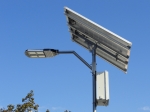
What Makes Solar Roadway Lighting Ideal for Public Spaces? Solar roadway lighting systems are designed specifically for commercial and municipal applications. They typically feature a separate solar panel and LED fixture design, allowing for optimal placement to harness sunlight efficiently. This design ensures that the lighting fixtures can be installed in shaded areas while the solar panels capture maximum sunlight, making them suitable for various environments, including urban streets, industrial facilities, and parks.
What Makes Solar Roadway Lighting a Smart Choice? Solar roadway lighting systems are designed to provide reliable illumination while minimizing long-term operational costs. These systems harness solar energy, making them particularly appealing for municipalities and commercial property managers. One of the most compelling features is the high-lumen output, which ensures that areas remain well-lit during nighttime hours, ultimately deterring criminal activity and enhancing pedestrian safety.
Conclusion: The Future of Public Spaces with Solar Lighting The integration of sustainable solar lighting into public spaces is more than just a trend; it represents a significant step toward creating environmentally responsible communities. Municipalities, contractors, and developers can benefit from the many advantages offered by solar lighting systems, including energy savings, low maintenance requirements, and reliable performance. By embracing these innovative solutions, public spaces can become safer, more accessible, and environmentally friendly, ultimately leading to healthier communities.
Understanding the specific requirements of your environment, such as traffic patterns, installation flexibility, and lighting output, plays a vital role in the optimization of these systems. This article explores the features and advantages of modern solar lighting solutions, particularly focusing on the All-in-Two Solar Light design, which separates the solar panel from the LED fixture, providing enhanced functionality and reliability. It pays to weigh up https://searl.co/margartloftin7 before you commit to a setup.
Detale
| Płeć | Żeńska |
| Wynagrodzenie netto | 14 - 49 |
| Adres | 5975 Bl |

Cleveran - znajdź pracę w IT jako programista i nie tylko.