
Vida Penman
Vida Penman
- ,
- Web3/Blockchain
- Członek od: 28 Sep 2026
Split Panel Solar Street Lights for Smart Cities
Moreover, the low maintenance requirements of solar street lighting systems further amplify their cost-effectiveness. With fewer moving parts and no wiring to maintain, these systems require minimal upkeep. Regular cleaning of the solar panels and occasional battery checks are typically sufficient to keep the system operating at peak efficiency.
The Future of Solar Street Lighting As advancements in solar technology continue to evolve, the future of street lighting looks promising. The integration of smart technology with solar lights is on the horizon, allowing municipalities to monitor and control lighting systems remotely. Features such as motion sensors and automated dimming can increase energy efficiency while maintaining safety and visibility.
Moreover, the split design contributes to easier maintenance. Should any component require servicing, accessing the solar panel or the light fixture separately minimizes disruption. Municipalities can benefit from reduced labor costs and longer intervals between maintenance schedules, allowing them to allocate resources more effectively.
Solar lighting is suitable for various environments, including urban parks, streets, parking lots, and pathways. The versatility of the All-in-Two Solar Light makes it adaptable for different urban applications.
Durability and Reliability: Essential for Outdoor Use Solar lighting systems are designed to withstand various weather conditions, ensuring that they remain operational throughout the year. The materials used in these systems are typically weather-resistant and durable, capable of withstanding harsh elements like rain, snow, and extreme temperatures. This durability makes solar lights a reliable choice for outdoor applications in educational settings, such as pathways and bus stops.
Municipalities can take advantage of the aesthetic appeal of solar lighting by installing fixtures that blend seamlessly with their surroundings, while still ensuring that public spaces are adequately lit.
Low Maintenance Requirements: High lumen solar street lights are designed for durability, reducing the need for frequent repairs or replacements. Most systems include LED technology, which has a longer lifespan than conventional bulbs.
Energy Savings and Off-Grid Operation One of the most compelling reasons to adopt split panel solar lighting is the potential for substantial energy savings. Unlike traditional lighting, which requires ongoing electricity costs, solar lighting operates off-grid, harnessing the sun's energy. This independence from the grid not only reduces energy bills but also mitigates the impact of fluctuating energy prices.
Furthermore, the reliable nighttime performance of high-performance solar street lighting is crucial for maintaining safety on educational campuses. These lights are often equipped with advanced technology, including motion sensors and timers, which enhance their effectiveness during nighttime hours. For example, when a student walks near a solar pathway light, the sensor activates to provide illumination, then dims to conserve energy when no movement is detected. This feature not only saves energy but also extends the longevity of the light fixtures. It pays to weigh up solar lighting for industrial facilities before you commit to a setup.
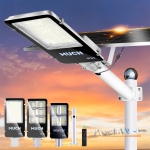
But what exactly is a split panel solar street light, and why is it so effective? At its core, this lighting system separates the solar panel from the LED fixture, allowing for optimal positioning and installation flexibility. This innovative approach not only maximizes solar energy absorption but also ensures that the lighting remains effective in various environmental conditions, making it a smart choice for smart cities. It pays to weigh up solar lighting for industrial facilities before you commit to a setup.
Moreover, the split-panel design aids in mitigating overheating issues that can affect performance. With separate components, the LED fixtures can operate at optimal temperatures, enhancing their longevity and reliability. Municipalities looking to minimize maintenance downtime will find this feature particularly advantageous as it reduces the likelihood of malfunction due to extreme weather conditions.
As illustrated, split panel solar lighting systems offer advantages in various areas compared to traditional lighting solutions. This comparison highlights the benefits of energy independence, flexibility, and reduced maintenance needs, making them an attractive option for stakeholders in the commercial and municipal sectors. Options such as solar lighting for industrial facilities help keep everything running smoothly here.
Durability and Low Maintenance Requirements Municipalities must consider the longevity and upkeep costs of their street lighting solutions. Split panel solar street lights are built to withstand harsh weather conditions, from intense heat to heavy rain, making them particularly suitable for various climates.
When considering sustainable lighting solutions for various municipal and commercial applications, solar street lighting has emerged as a popular choice. Municipalities are increasingly adopting energy-efficient systems to reduce operational costs and enhance public safety. Reports indicate that solar street lighting can reduce energy costs by up to 80%, making it a fiscally responsible decision for city budgets. Furthermore, commercial buyers, such as contractors and developers, are recognizing the long-term benefits of investing in high-performance solar lighting systems.
Detale
| Płeć | Żeńska |
| Wynagrodzenie netto | 11 - 57 |
| Adres | 5233 |

Cleveran - znajdź pracę w IT jako programista i nie tylko.